

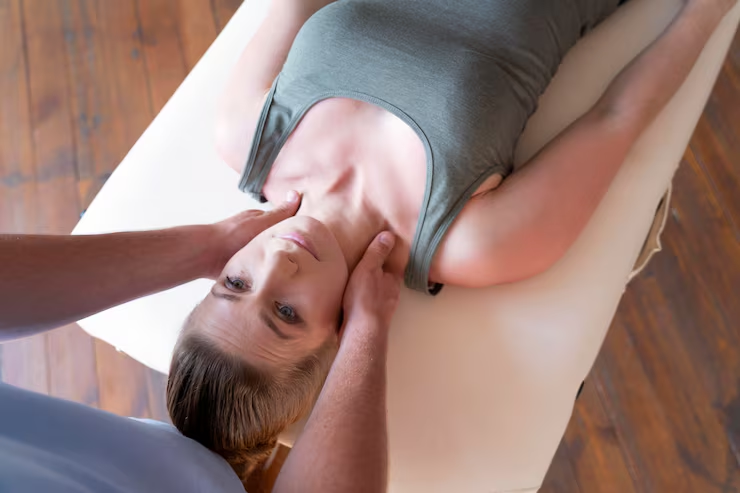
Our bodies usually do a solid job fixing internal damage on their own, but every now and then, the internal machinery stalls. Maybe you’re recovering from an operation, dealing with ankles that puff up by the end of the day, or just feeling weighed down by stubborn, ongoing inflammation. When that happens, Manual Lymphatic Drainage (MLD) offers a simple, direct way to get things moving again.
If you’ve ever had a deep tissue massage where someone digs a elbow into your back muscles, throw that image out the window. MLD doesn’t work like that at all. It relies on feather-light, barely-there skin stretches moving in deliberate rhythms. The whole goal is to nudge stagnant lymph fluid sitting right beneath your skin, helping your body clear out cellular trash and reduce swelling from the inside out.
The Plumbing Network Under Your Skin
Understanding why MLD works comes down to how your body handles waste. Your lymphatic system is basically an internal filtration setup. It uses a network of vessels and nodes to pick up cellular garbage, extra proteins, and excess water from your tissue spaces, filtering it all before dumping clean fluid back into your bloodstream.
Here’s the catch: your heart pumps blood continuously, but your lymph system has no pump of its own. It relies entirely on you moving around, taking deep breaths, and flexing your muscles to push fluid along. When you’re stuck sitting at a desk all day, resting after an injury, or recovering on a couch post-surgery, that fluid stops moving. It pools in your arms, legs, or face, leaving you feeling stiff, swollen, and sore.
Where Manual Drainage Makes a Real Difference
The pressure used in MLD might feel light, but what’s happening beneath the surface is huge for your recovery:
- Flushes Out Trapped Fluid: By guiding trapped water toward healthy, working lymph nodes, it takes the pressure off swollen joints and limbs.
- Cuts Down Post-Op Recovery Times: Surgery creates trauma under the skin, leading to heavy fluid buildup. Light drainage strokes move that fluid out fast, letting your incisions heal with way less tightness and discomfort.
- Gives Your Blood Circulation Room to Work: When extra fluid isn’t clogging up tissue spaces, oxygen-rich blood can actually reach recovering cells without fighting for room.
- Keeps Waste Filtering Smoothly: Moving stagnant fluid through your nodes regularly helps your natural immunity process cellular debris without getting bogged down.
- Turns Off the Stress Response: The slow, repetitive pacing acts like a quiet lullaby for your nervous system, dropping your body straight into a state of rest and repair.
What It Actually Feels Like on the Table
People taking their first MLD appointment are almost always surprised by how soft the touch is. But there’s a real reason for that: pressing hard actually crushes those tiny, fragile lymphatic vessels flat, which stops fluid from draining altogether.
Your therapist uses soft, wave-like skin movements that mirror the direction your lymph naturally wants to travel. There’s no digging into muscle tissue, no painful spots, and zero post-massage soreness the next day. Honestly, most people drift off to sleep within twenty minutes and wake up feeling noticeably lighter.
Is This Something You Need?
Because the approach is so gentle, MLD works well for a ton of different situations. It’s especially helpful if you’re:
- Healing up from cosmetic, orthopedic, or general surgery
- Dealing with swollen feet or heavy legs after long shifts on your feet
- Looking for a way to ease chronic water retention without medications
- Searching for a deeply relaxing treatment that won’t leave you bruised
At La Mar Wellness, we always check in on your health history first to make sure MLD makes sense for what your body is going through right now.
Easy Ways to Support Lymph Flow at Home
Getting a professional session gives your system a massive jumpstart, but keeping fluid moving day-to-day comes down to simple habits. Drinking enough water, taking quick walking breaks, avoiding tight clothes that cut off circulation, and taking deep belly breaths all keep fluid moving between clinic visits.
When you combine those small daily movements with regular MLD sessions, you keep swelling under control, support your body’s natural defenses, and just plain feel better in your day-to-day life.
Quick FAQs
Does Manual Lymphatic Drainage hurt?
Not even a bit. The touch is extremely light about the weight of a nickel resting on your skin. It’s built to be relaxing and entirely pain-free.
How many sessions do I need to see a difference?
It depends on your goals. Easing post-surgery swelling usually takes a short series of frequent appointments over a couple of weeks, while general fluid maintenance works great on a monthly schedule.
Can I get MLD right after cosmetic surgery?
Yes, as long as your surgeon clears you first. MLD is standard care post-surgery to reduce bruising, clear fluid buildup, and stop hard scar tissue from settling in under your skin.